Wildlife across the globe face unprecedented challenges primarily driven by human activities. Habitat loss, changing climates, pollution, and the spread of invasive species exacerbate these challenges, leading to a global decline in biodiversity.
We’re not just talking about threats to individual species. Entire ecological processes—including those that provide people with clean water, food security, and disease regulation—are under threat. That’s why wildlife conservation shouldn’t just be a local concern but a critical global priority.
My research aims to develop science-based, collaborative strategies that promote the sustainable coexistence of people and wildlife, ensuring the conservation of biodiversity while supporting human livelihoods and environmental health. We’re addressing real-world human-wildlife conflicts and conservation challenges by applying ecological science to inform management and policy decisions.
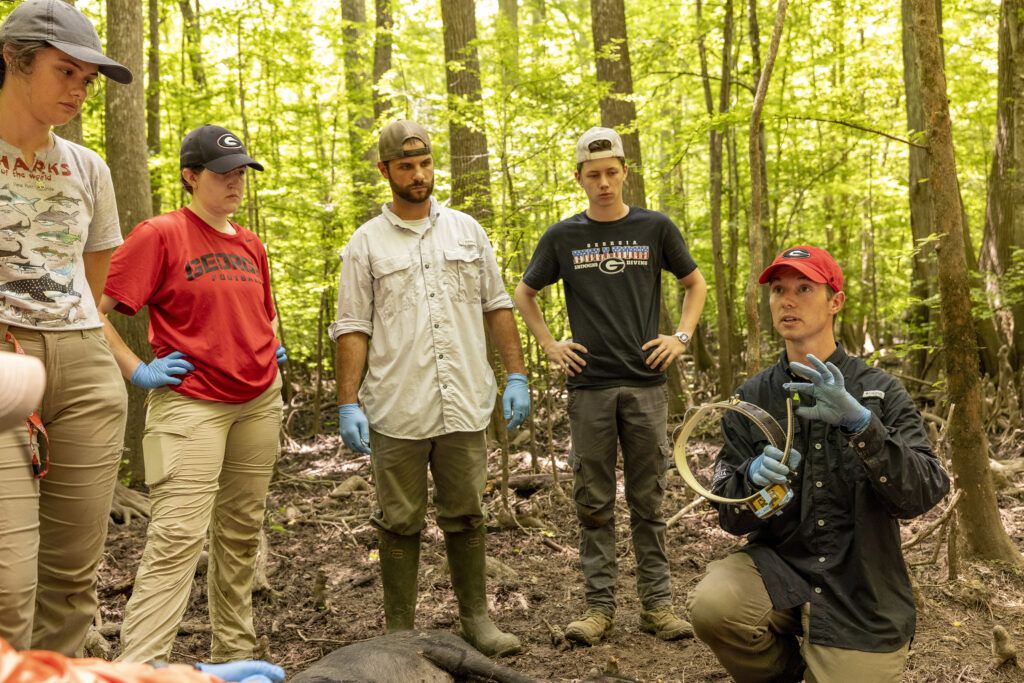
My fascination with animals and curiosity about the natural world started early. As a boy, I spent countless hours exploring and observing wildlife. With age came a growing awareness of the challenges many species face worldwide, and that curiosity evolved into a deeper interest in understanding the interconnected relationships between humans and wildlife. Ultimately, this path led me to become a wildlife biologist and academic, where I have the freedom to pursue a broad range of research questions and to train future generations of wildlife ecologists who contribute to conservation efforts on an international scale.
Early in my career, I was drawn to the University of Georgia by some unique opportunities. The Warnell School of Forestry and Natural Resources boasts one of the strongest wildlife programs in the country, and my workplace, the Savannah River Ecology Lab, is one of the most respected ecological research facilities worldwide. The connection between Warnell and the Savannah River Ecology Lab provides a unique platform for conducting the type of collaborative, cross-disciplinary research that defines my program’s approach to advancing wildlife conservation and management.
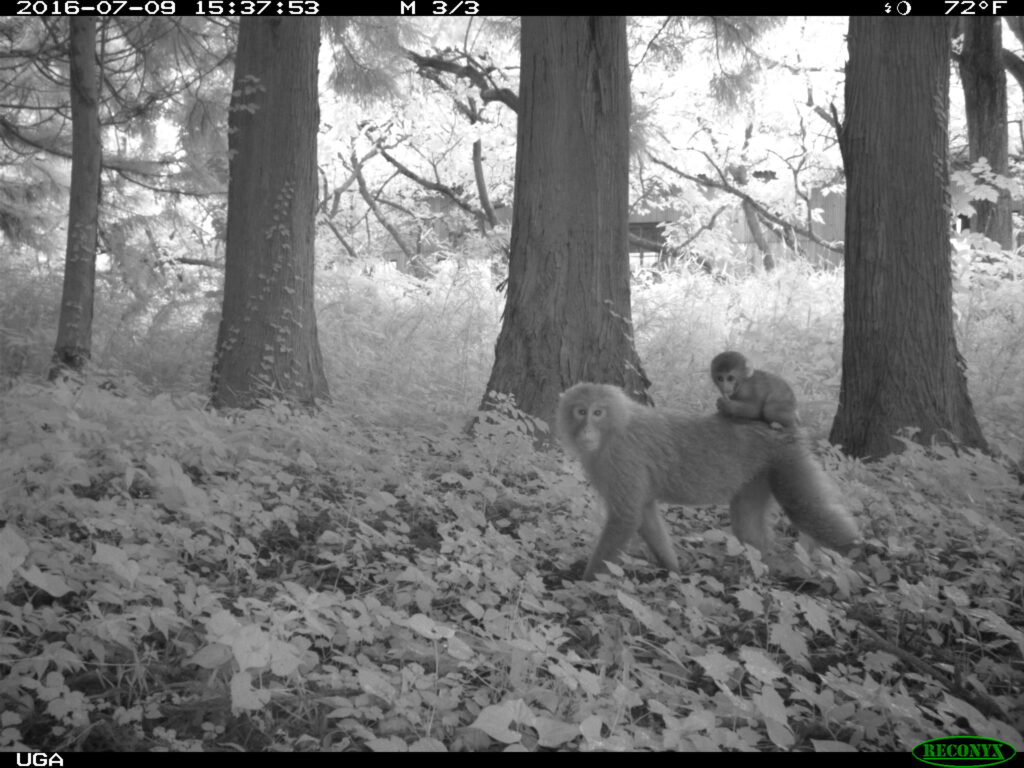
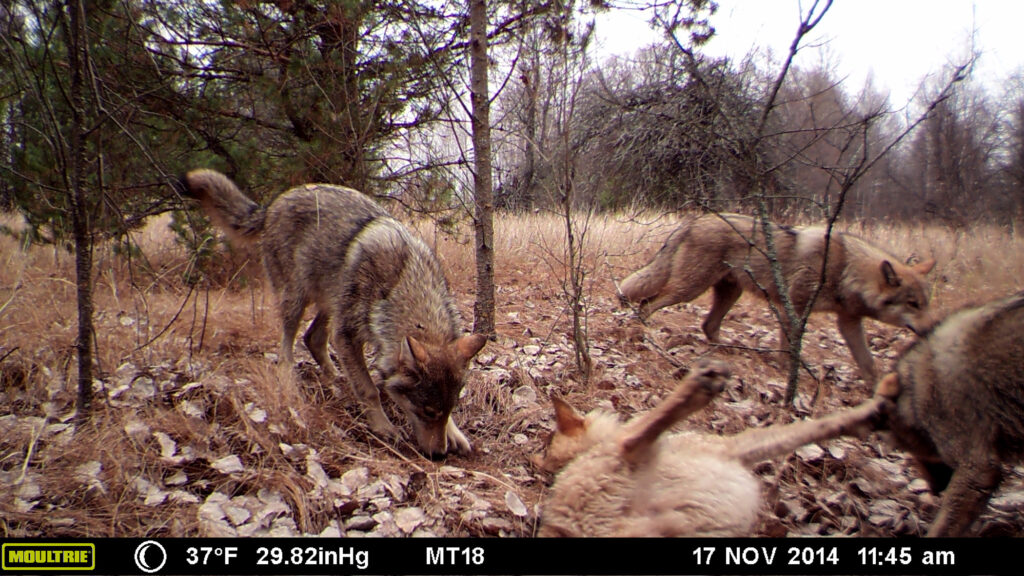
Ecological systems are inherently complex. One of my underlying philosophies is to integrate researchers from various disciplines to tackle today’s pressing questions. Collaborative teams can address larger and more complicated problems than any lab can do on its own. One great example of this is the work we are doing in Chernobyl and Fukushima to understand the long-term ecological impacts of those nuclear accidents.
By bringing together ecologists, radioecologists, molecular ecologists, reproductive biologists, chemists, veterinarians, and researchers from a host of other disciplines around the world, we have shed new light on wildlife populations inhabiting these areas, as well as challenged fundamental assumptions about wildlife health and conducting risk assessments in contaminated landscapes. Not only do these collaborations help facilitate much more impactful science, but they also have helped broaden and shape the way our lab thinks about complex, global challenges.