Global Impact
 Student Success
 This high-impact learning experience gives undergraduates coveted experience in security policy, producing Rhodes Scholars and other accomplished graduates.
There’s nothing quite as valuable as learning on the job. So, for a few weeks each semester, a select group of University of Georgia students gets a taste of on-the-job training for security policy by taking on the roles of U.S. President, Secretary of State, and National Security Adviser—in a simulation, of course.
To refine their skills in policy analysis and briefing, the students deliberate on “ripped-from-the-headlines” foreign policy issues and hypothetical scenarios, like an environmental disaster near Yemen, all while their instructor watches via video feed.
Finding solutions to these intricate scenarios isn’t easy, even in a simulation. But for the exceptional students in UGA’s Richard B. Russell Security Leadership Program (SLP), this immersive experience is exactly what they need to prepare for careers in national security.
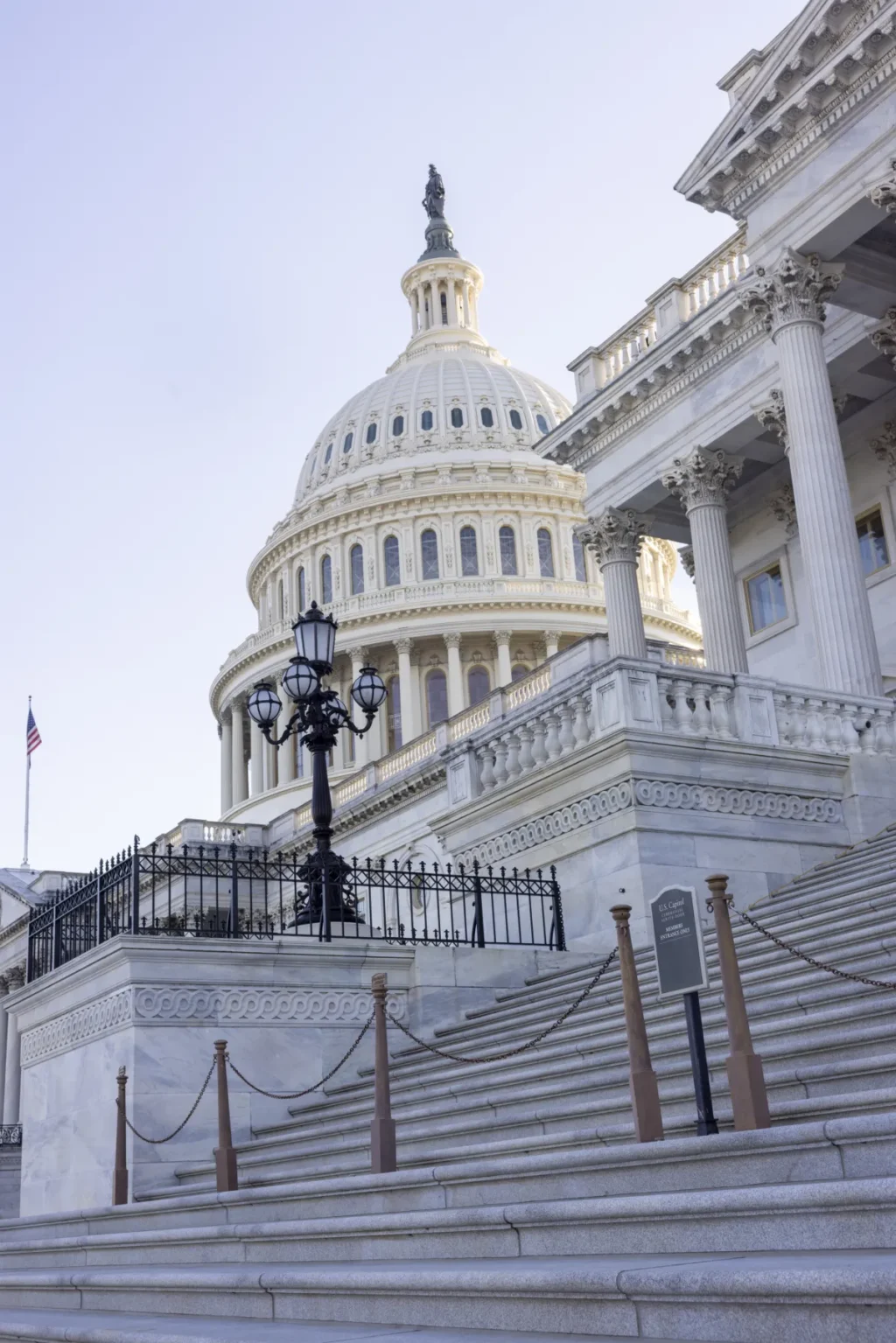

The Security Leadership Program, part of the Benson-Bertsch Center for International Trade and Security in UGA’s School of Public and International Affairs, offers high-impact learning experiences for the 15 students admitted to its cohort each year.
The two-week simulation mentioned above is part of the two program-specific classes that form the foundation of the program, in addition to a thesis project and a trip to the nation’s capital to meet program alumni and witness real-world security briefings. Through these activities, they develop skills in policy analysis, oral briefing, grant writing, and intelligence gathering.
“It’s a pre-professional program, a mini-grad program, and baptism-by-fire for students’ first jobs, all in one,” said program director Maryann Gallagher.
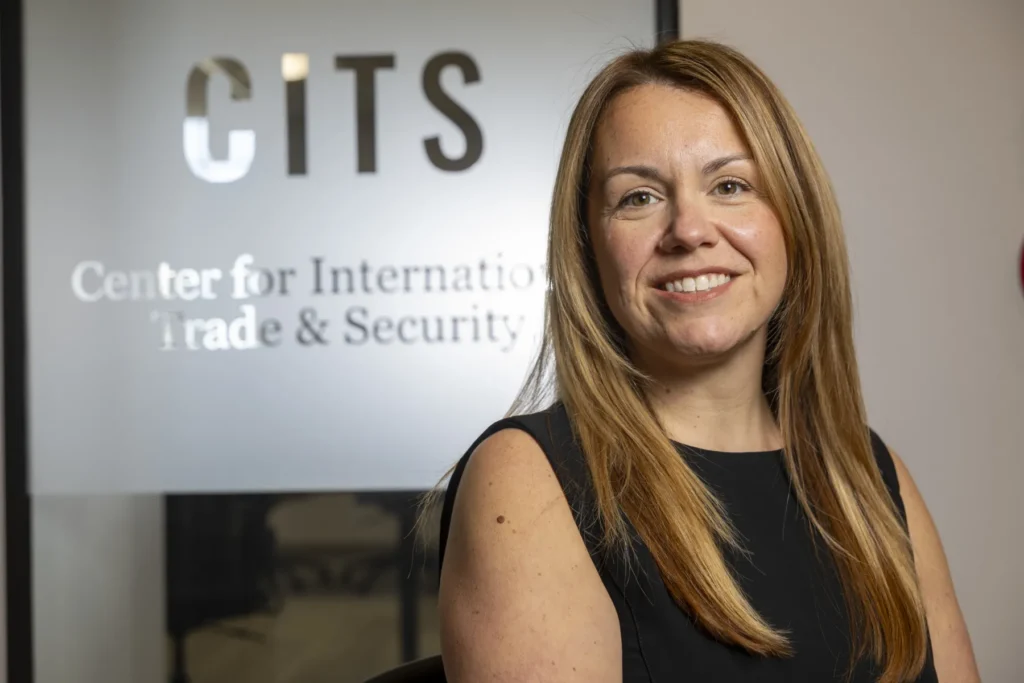
To be ready for the intense demands of the national security field—where the stakes couldn’t be higher—it’s important for students to develop their confidence and learn to work together to solve critical issues. Thanks to the program’s tailored experiences and tight-knit community, these students learn valuable skills and form relationships that support them in their careers after graduation.
“Dr. Gallagher and my peers in the SLP provided so much support and encouragement that made me more confident in myself and my abilities,” said Ashni Patel, a member of the 2021-22 cohort. “The preparation and practice that the SLP gave me in written policy analysis, fast-paced oral briefings, and open-source research have not only made me a better student but also equipped me with the necessary skills to succeed.”