Student Success
 The programs and strategies that drive student success at UGA.
Student success is more than a buzzword. It’s a way to holistically understand and support students’ academic, professional, and personal well-being. But what does prioritizing student success actually look like inside and outside the university classroom?
At the University of Georgia, promoting success involves campus-wide strategies and targeted academic programs that increase student engagement and provide valuable professional skills. The result? Our students are engaging and succeeding at outstanding levels, evidenced by our 90% graduation rate, 95% retention rate, and number one rankings in short-term study abroad involvement.


The link between student engagement and success is clear—when students lean into their academic experience, they’re more likely to build community, develop professional skills, and internalize what they’ve learned.
At UGA, we set out to increase engagement through our Experiential Learning and Active Learning initiatives, which facilitate exciting hands-on learning experiences and thoughtful reflection inside and outside the classroom environment through consistent, accessible programming.
Vice President of Instruction Marisa Anne Pagnattaro, who helms these initiatives, leverages input from industry professionals, collaboration with faculty, and student data analysis to ensure our programming provides the maximum benefit for students.

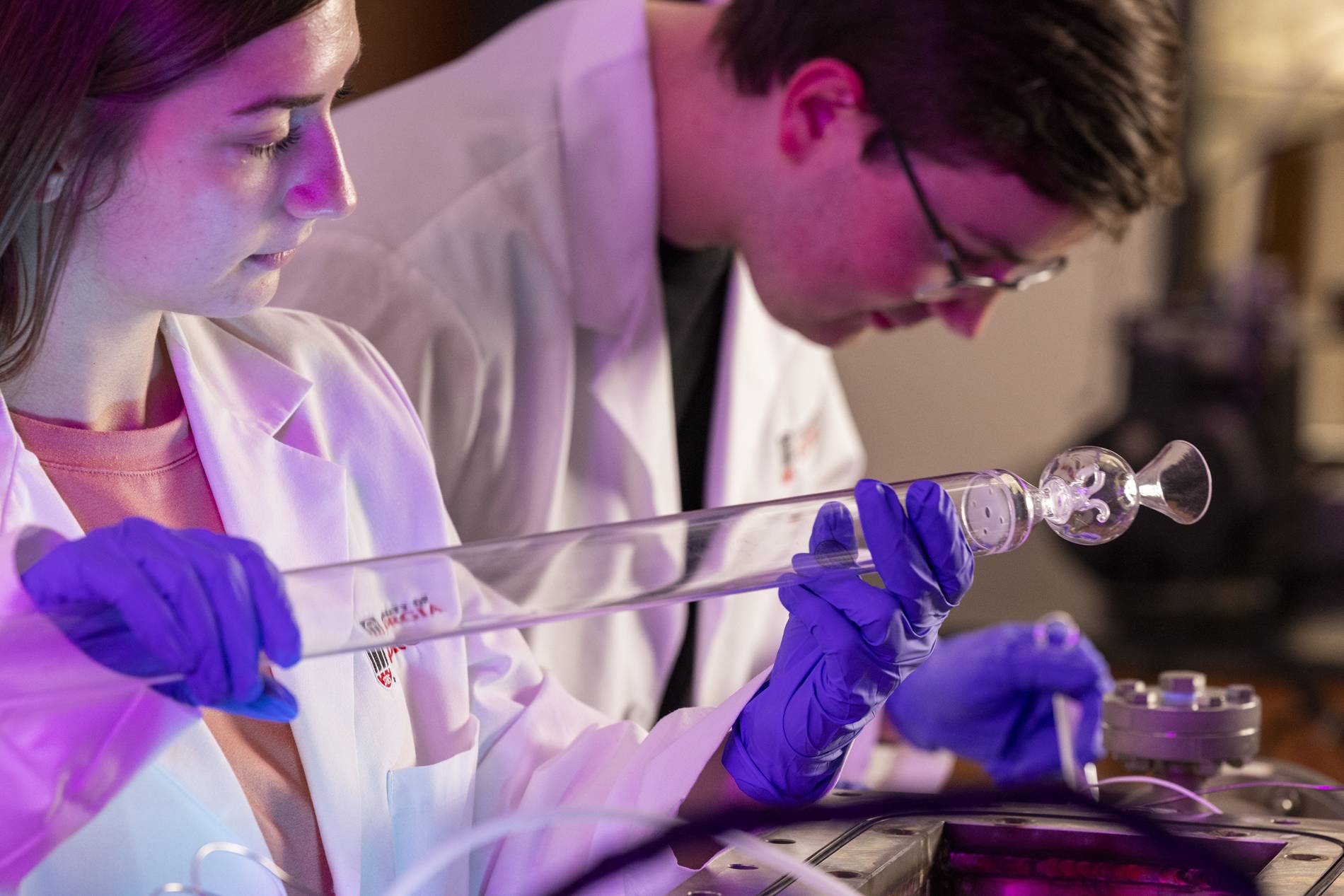

Thanks to these innovative programs and the strategic leadership that guides them, our students continue to engage and excel.
Ninety percent of UGA undergraduates graduate within six years, an achievement held by only 9 other public universities in the nation. In our international initiatives, we’ve also achieved a number one ranking for short-term study abroad participation and earned recognition for integrating international education into our curriculum. When it comes to student retention, 95% of our students return year over year, well above the 85% national average.