Research
 Sustainability
 The Savannah River Ecology Lab partners with the Department of Energy to explore a rare environmental testing ground.
In the 1950s, the Atomic Energy Commission, predecessor to the United States Department of Energy, built a nuclear complex in Aiken, South Carolina. Questions about the impact of nuclear materials abounded in those years. University of Georgia researcher Eugene Odum wanted to answer them.
To understand the effects of nuclear facilities on the environment, Odum, now recognized as the “father of modern ecology,” established the Savannah River Ecology Lab at the complex. Today, the lab continues groundbreaking research into nuclear remediation strategies and conducts other environmental studies that would be impossible outside this uniquely secluded area.

Using radiotracer technology and other cutting-edge techniques, Odum mapped the Savannah River facility’s hidden impact on the surrounding area. This on-site collaboration helped the Department of Energy plan more sustainable nuclear projects in the future, exemplifying the unique role the Savannah River Ecology Lab would occupy in the coming decades.
As lab director Gene Rhodes puts it, the Savannah River Ecology Lab supports the Department of Energy’s work while also conducting independent research and educating the public. But the lab’s opportunities don’t stop there.
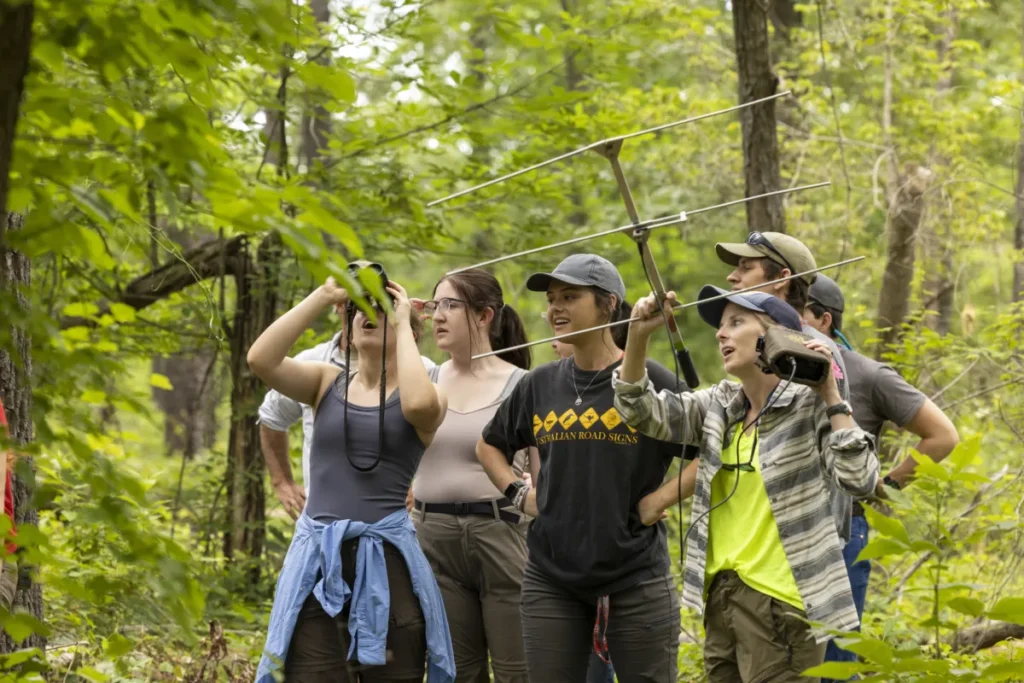
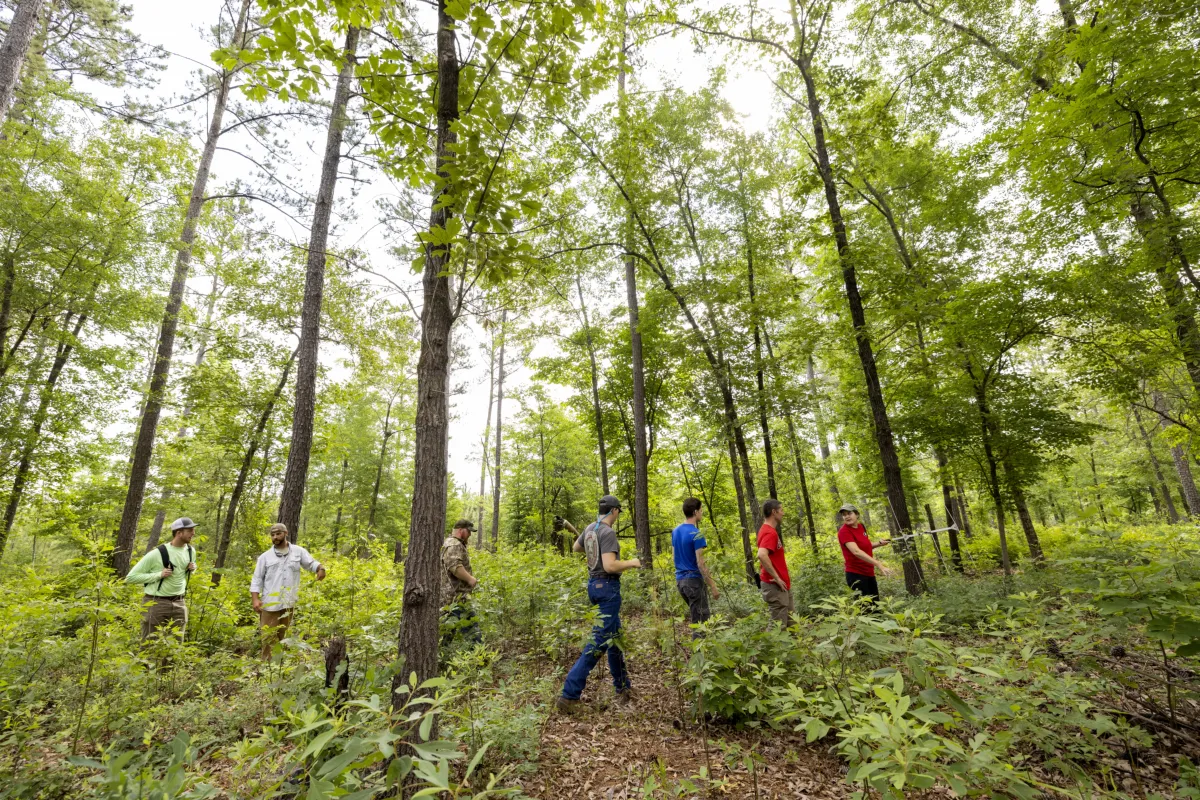
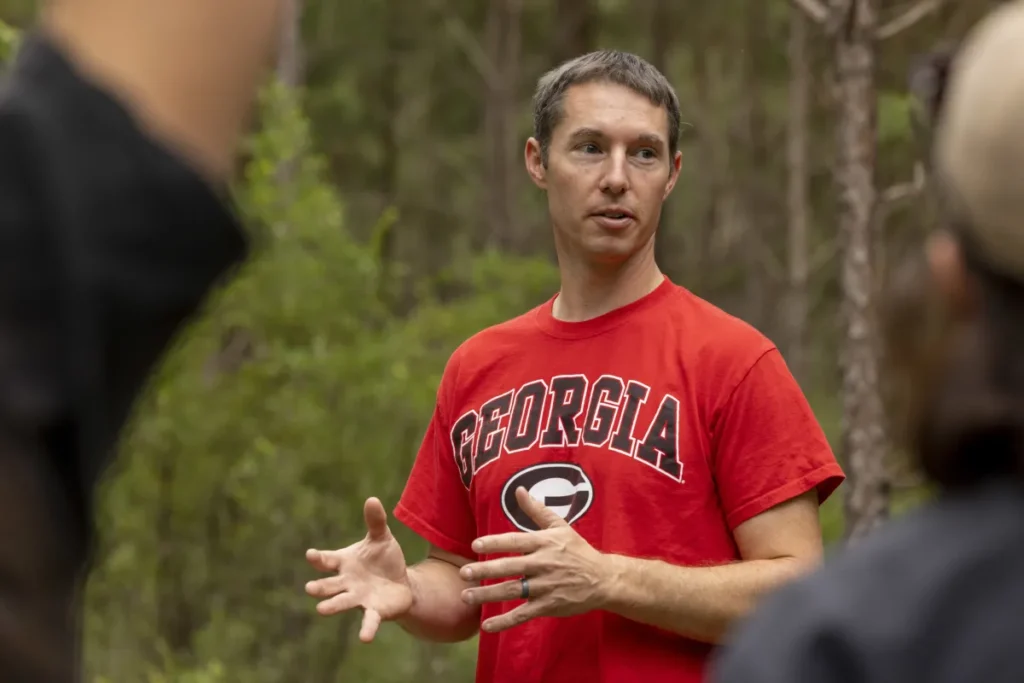
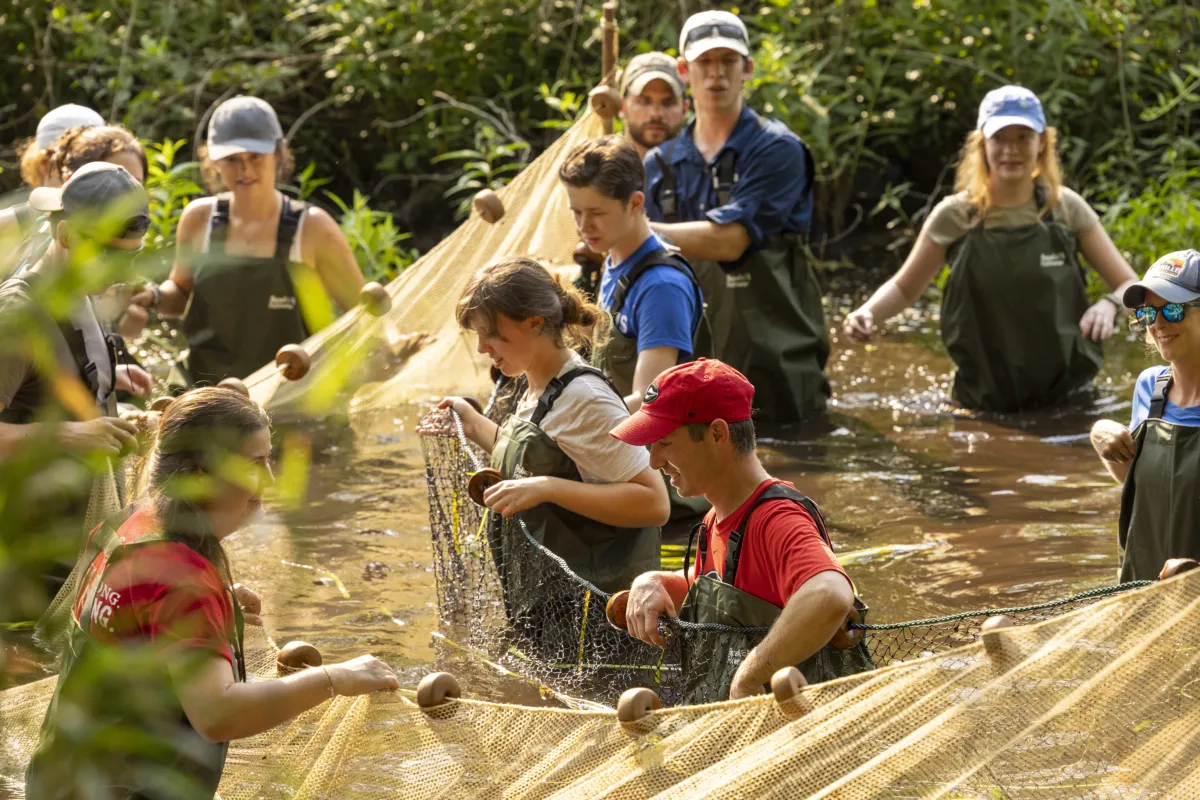
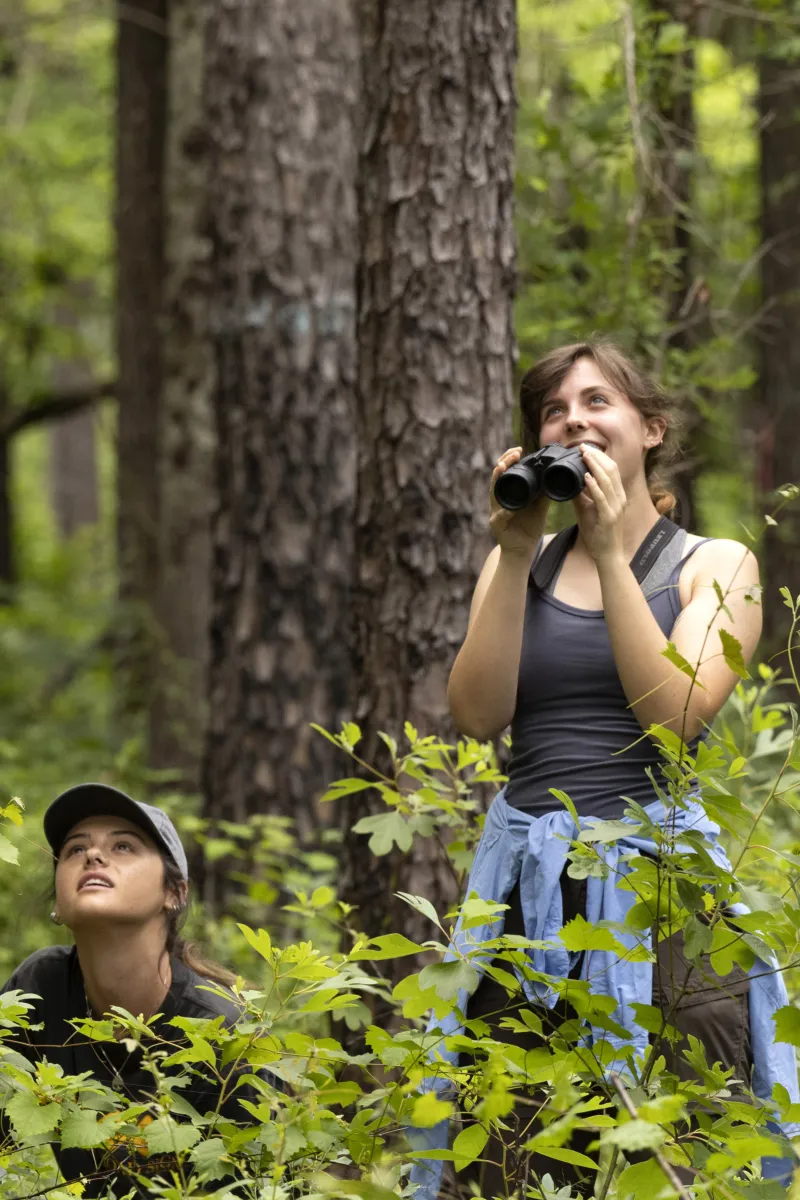
Beasley’s work monitoring wildlife at the Savannah River lab helps inform management, policy, and conservation decisions. He refers to the lab as one of the most respected ecological research facilities in the world. But for Beasley, the lab is more than just a renowned research location: It’s also an opportunity to teach the next generation of ecologists.
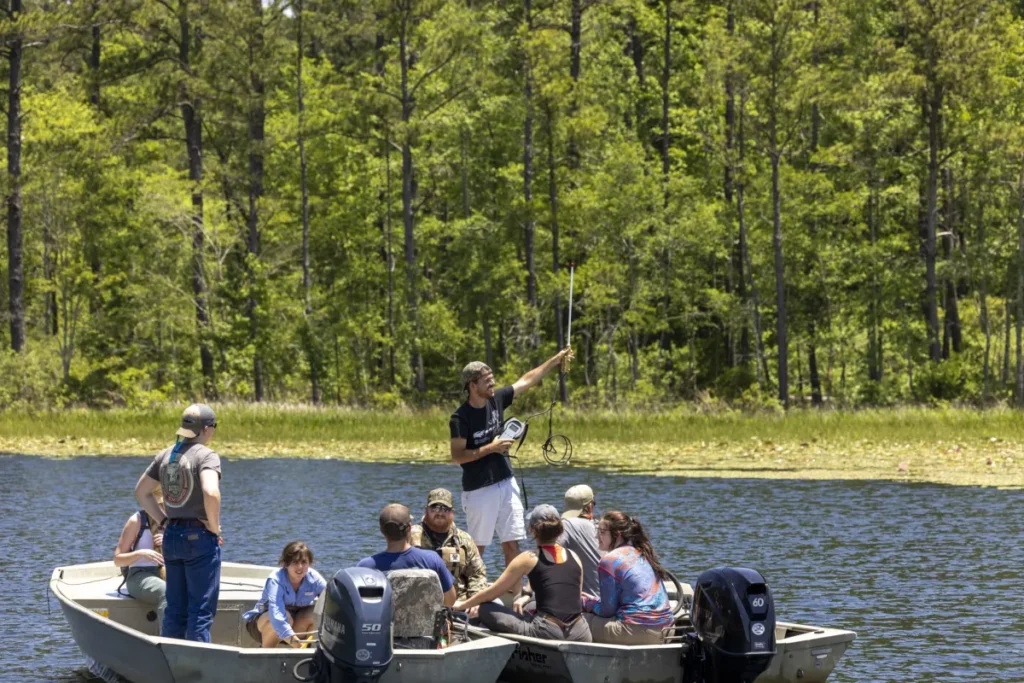
“It’s a fantastic opportunity for these students to get out into the field and get some real-world exposure,” Beasley says. “This experiential learning process, it’s real. They’re seeing the actual applied side of all the work they’re learning on campus.”
For decades, the Savannah River Ecology Lab has provided singular opportunities to research, remediate, and educate. As UGA and the Department of Energy continue their historic collaboration, it can provide those opportunities for decades more.
UGA’s J. Marshall Shepherd, PhD, is a leading climate expert and science communicator.
“The results speak for itself—we're on the right track. We're optimistic that the CVXGA vaccine will help humanity fight against viruses.”
University of Georgia researchers are refining and developing innovative techniques to detect, track, and break down PFAS.
UGA emerges as a hub for collaborative research and innovation in biomedical sciences